
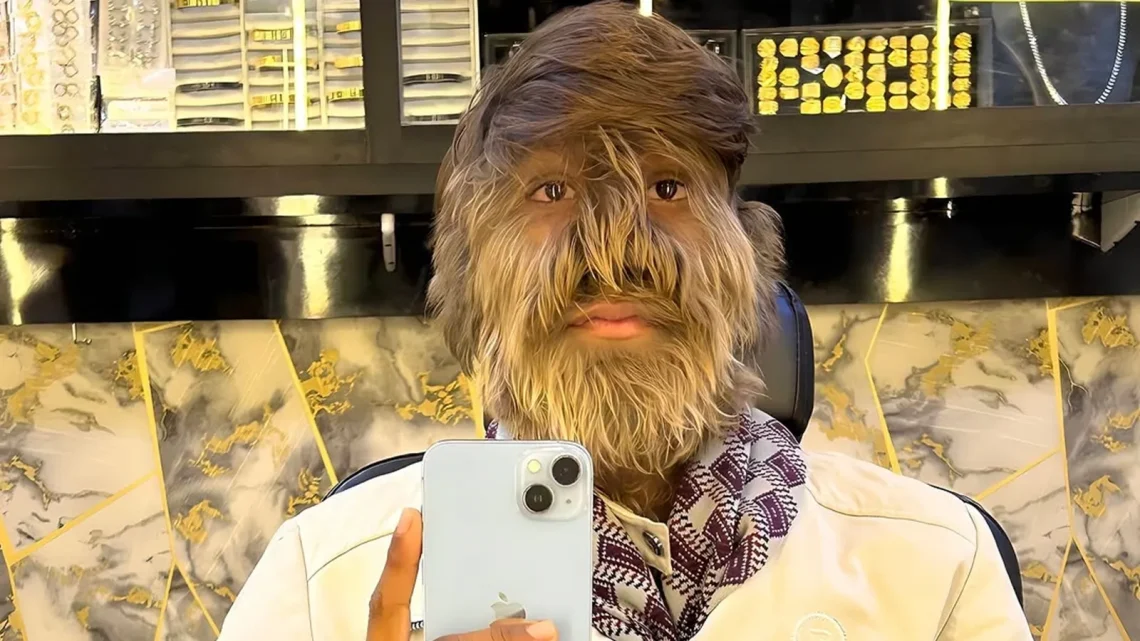
The phrase hairiest man in the world has been used to describe a few different people over the years, but the best-known names connected to it are Yu Zhenhuan of China and Larry Gomez from the United States. Their stories are not just about unusual appearance; they also highlight a rare medical condition, public curiosity, and the human side of living with difference.
When people hear the words hairiest man in the world, they often imagine a celebrity nickname or a circus-style attraction, but the reality is much deeper. In most modern coverage, the title is linked to hypertrichosis, a rare condition that causes excessive hair growth on the face and body.
This article explains who has been called the hairiest man in the world, what causes the condition, how it affects daily life, and why these stories continue to attract attention. It also looks at how the title became famous through media coverage and Guinness World Records recognition.
Who Has Held the Title?
One of the earliest widely reported figures associated with the hairiest man in the world title is Yu Zhenhuan from China. Reports say that about 96 percent of his body was covered in thick black hair, and he was recognized by Guinness World Records in 2002.
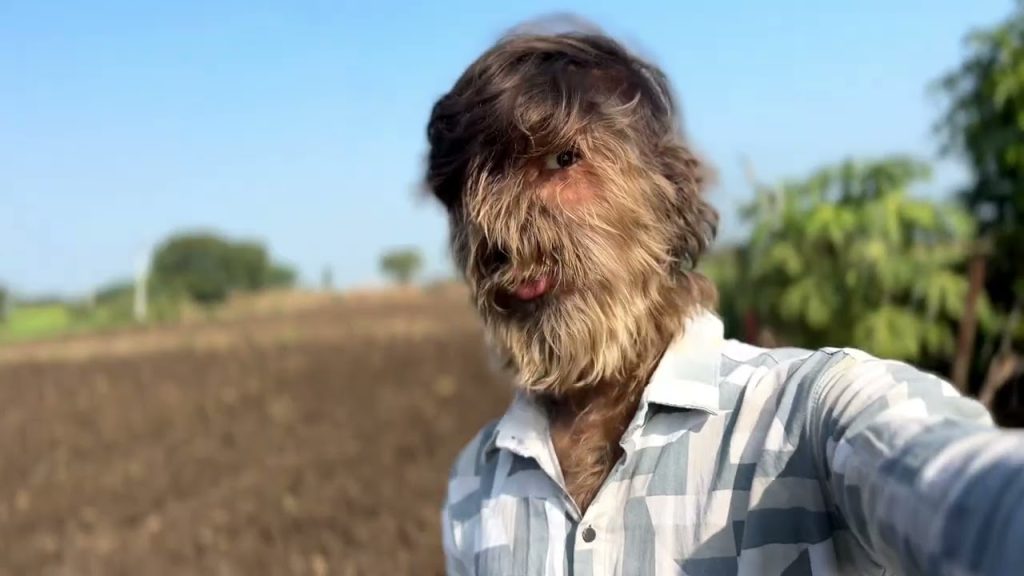
Another major name is Larry Gomez, also known as the “Wolf Man,” from California. Reports describe him as having hair covering about 98 percent of his body, including his face, and he has openly embraced the title hairiest man in the world. His family is also notable because several relatives share the same condition, making them one of the best-known hairy families in the world.
Medical Condition Behind It
The main condition associated with the hairiest man in the world stories is hypertrichosis, sometimes called “werewolf syndrome.” It causes abnormal hair growth over large parts of the body and can appear in different forms and severities.
This condition is rare, and in some cases it affects multiple members of the same family, suggesting a genetic link. In Yu Zhenhuan’s case, reports mentioned that the only areas without hair were his palms and the soles of his feet. In Larry Gomez’s case, media accounts described nearly his entire body as covered with hair.
Daily Life and Public Reaction
Living as the hairiest man in the world is not only a physical experience but also a social one. Yu Zhenhuan once spoke publicly about not liking being called “hair boy,” which shows that labels and teasing can be emotionally difficult.
Larry Gomez’s story is different in tone because he has often presented himself with pride and confidence. He has said that being one of the hairiest men in the world makes him feel special, and he has used public attention to challenge stereotypes. This contrast is important because it shows that the title hairiest man in the world can be both a source of pain and a source of identity, depending on the person.
Famous Examples at a Glance
This table shows that the phrase hairiest man in the world has been used in different eras and contexts, sometimes for whole-body hair growth and sometimes for exceptionally hairy facial coverage.
Media, Records, and Public Curiosity
The title hairiest man in the world became widely known because media outlets and record books amplified the story. Guinness World Records played a major role in giving formal recognition to people like Yu Zhenhuan and the Gomez family.
Media attention often focuses on the visual shock of the condition, but the better stories go further and explain the person behind the image. For example, coverage of Larry Gomez and his family emphasizes not just appearance but also family history, resilience, and public life. That shift matters because it changes the conversation from curiosity to understanding.
Challenges and Misconceptions
A common misconception about the hairiest man in the world is that the condition is simply cosmetic. In reality, hypertrichosis can affect self-image, social interactions, and mental well-being, especially when people react with staring or teasing.
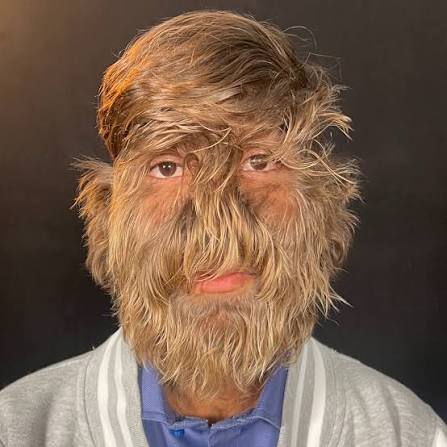
Another misconception is that all such cases are identical. Some people have hair growth across almost the whole body, while others have more limited or localized patterns. That is why the phrase hairiest man in the world is more of a public label than a precise medical category.
Why the Story Matters
The reason the hairiest man in the world continues to draw interest is simple: it combines rarity, science, and human emotion. People are curious about unusual conditions, but the most meaningful part of the story is how individuals live with them.
These stories also remind readers that difference is not the same as deficiency. Yu Zhenhuan, Larry Gomez, and others linked to the hairiest man in the world title show different ways of coping with public attention, personal identity, and family life. Their experiences make the topic more than a headline, they make it a lesson in empathy.
The phrase hairiest man in the world refers to real people whose lives have been shaped by a rare medical condition, intense public attention, and, in some cases, official record recognition. Yu Zhenhuan and Larry Gomez are the most famous examples, and both have helped bring awareness to hypertrichosis in different ways.
What makes the story powerful is not just the amount of hair, but the courage and individuality behind it. The hairiest man in the world is ultimately a story about biology, identity, and how society reacts to people who look different.